The Port of Manaus plays a vital logistical role for the success of the Parintins Festival, functioning as the main starting point and integration for the thousands of fans who travel to Magic Island. As access to the municipality is predominantly fluvial, the port concentrates the flow of vessels from various ports, from traditional line boats to luxurious cruise ships, ensuring that the transport infrastructure follows the magnitude of the event. This movement is essential for the flow of passengers and inputs, consolidating the port as the beating heart of the logistics of the lower Amazon.
In addition to technical functionality, the port significantly drives the state economy during the festival period, generating direct and indirect jobs and heating the service sector. The circulation of national and international tourists through the port terminal stimulates microenterprise and local commerce, from the sale of handicrafts to the food and hospitality sector. In 2026, the expectation is that this integration between Manaus and Parintins reach new records of financial movement, reinforcing the importance of the port as an inducer of development and display of northern culture.
Thinking about it, the Port of Manaus, in partnership with the portal AMZ in Tariff, reaffirms its commitment to the local community, valuing the regional culture and supporting events that celebrate the traditions of the Amazon.
Finally, the infrastructure of Manaus Port ensures the security and planning necessary to receive visitors with efficiency and hospitality. The partnership between the port authorities, the Brazilian Navy and the tourism agencies allows the shipment of the "bumbás" and their fans to take place in an organized manner, minimizing environmental impacts and valuing the traveler's experience. Thus, the port is not only a place of passage, but a fundamental link that connects the capital to the tradition of Capricious and Guaranteed oxen, raising the international visibility of the Amazon.
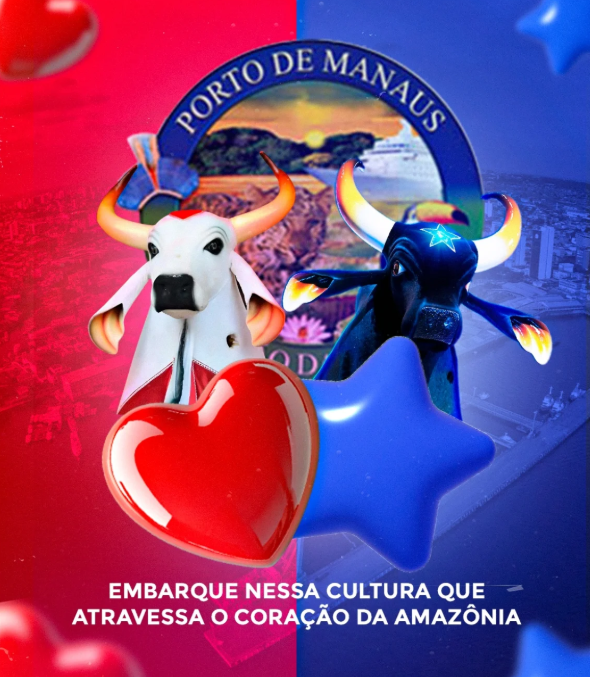
Embark on this culture that flows through the heart of the Amazon
The Port of Manaus, built at the beginning of the 20th century during the rubber boom, has established itself over the years as one of the primary symbols of the economic, social, and cultural development of Amazonas’ capital. Its modernization at that time market the city’s connection with the world’s major commercial centers and fueled its growth.
Today, the port is the large floating port in the world, able of operating up to seven ships simultaneously, maintaining its strategy role in the regional economy and the history of Manaus. Furthermore, it is the traditional departure point for those traveling by boat to Tupinambarana Island, especially busy during this period leading up to the 58th Parintins Folklore Festival, which takes place on June 27th, 28th, and 29th at the Bumbódrome.
With this in mind, the Port of Manaus, in partnership with the AMZ in Tariff portal, reaffirms its commitment to the local community, valuing regional culture and supporting events that celebrate Amazonian traditions.
The Port of Manaus plays a vital logistical role in the success of the Parintins Festival, serving as the main starting point and integration hub for the thousands of fans traveling to the "Magic Island." Since access to the municipality is predominantly river, the port concentrates the flow of vehicles of various sizes—from traditional riverboats to luxurious cruise ships—ensuring that the transport infrastructure matches the magnitude of the event. This movement is essential for the flow of passengers and supplies, consolidating the port as the beating heart of logistics in the Lower Amazon.
Beyond its technical function, the port significantly boosts the state economy during the festival period, generating direct and indirect jobs and heating up the service sector. The circulation of national and international tourists through the terminal stimulates micro-entrepreneurship and local trade, from the sale of handicrafts to the food and hospitality sectors. In 2026, this integration between Manaus and Parintins is expected to reach new records in financial turnover, re-inforcing the port’s importance as a driver of development and a showcase for Northern culture.
Finally, the Port of Manaus infrastructure institutions the safety and order necessary to receive visitors with efficiency and hospitality. The partnership between ports, the Brazilian Navy, and tourism agencies allow the boarding of the "bumbás" and their supporters to take in an organized manner, minimizing environmental impacts and enhancing the traveller’s experience. Thus, the port is not just a place of transit, but a fundamental link connecting the capital to the tradition of the Caprichoso and Guaranteed bulls, elevating the international visibility of the Amazon.